
 Subscribe Now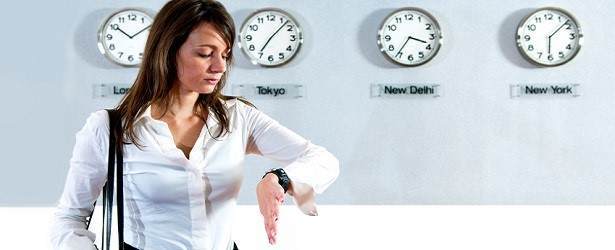
A Quick Jet Lag Solution
Jet lag can be a major drag for people who travel long distances. It can interrupt concentration that is needed for meetings with clients overseas and can cause you to feel absolutely lousy. Travelers sometimes try to deal with the problem is by partaking of drugs purchased from a drug store or prescribed by your doctor. Others will try to adjust their sleep patterns before they leave on their trip. Others just think it is in your head and deal with it just waiting for it to go away. New studies point in another direction, possibly better, that may fight jet lag; try fasting prior and during your trip.
Scientists are already aware that we have internal clocks located at the liver, heart, brain and additional tissue that is responsible for daily routes for our bodily functions and processes that may include blood pressure, temperature, wakefulness and hunger. These are called circadian clocks and are coordinated by tiny clusters of cells located within the brain that are called suprachiasmatic nucleus. These respond to dark and light. When you travel across several time regions the body gets thrown out of sync and results in symptoms called jet lag.
Symptoms include insomnia,fatigue, headache, diminished concentration and nausea. Every time zone that you cross causes you a day to adjust to the new time and let your dark/light schedule get coordinated with the local time in your new location.
Colleagues with Dr. Saper at Beth Israel Deaconess Medical Center in the city of Boston actually believe that the lack of food may adjust your body rhythms quicker than dark and light. They have identified another master clock with mice that is located within a group of cells in the brain called dorsomedial nucleus. These cells take charge when there is a scarcity of food. Scientists feel that sleep and food both are essential for our survival so they feel that hunger can control circadian rhythms like changes in dark/light patterns do.
 So scientists felt they should try to change the feeding clock instead of the sleep clock to try to curb jet lag.
Dr. Clifford B. Saper thought you might try fasting before and also during the long flight.
Also start the correct pattern of meals according to the local time.
• Don’t eat any food once you arrive at the airport
• Don’t eat while in the air but drink as much water as possible
• Eat as soon as you can once you land but coordinate it with the local meal schedule
Whether you decided to try to fast or not, try not to consume foods high in fat during your first meal once you land because it will cause a delay in adjusting to the local time. You should always adjust your feeding schedule to any specific medical needs that you may need due to any specific health problems that you may be dealing with. You may have to consult your medical doctor if you think it is warranted. You should take into consideration the different techniques you have already attempted as well as discussing them with your doctor and use the one that seems to work the best for you. If you haven’t tried fasting, it may be a good idea to give it a chance and see if adjusting your meal schedule can do for jet lag.

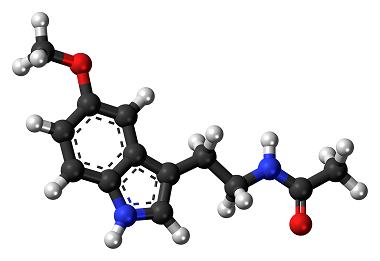 The Pineal gland is responsible for producing the melatonin hormone. Some plants that are edible also produce this hormone. It is discharged in the dark which is why they call it a “darkness hormone” which is contrary to vitamin D which is known as the “sunshine hormone”. Melatonin is blocked from being released during the day by light. Circadian rhythms are affected by melatonin and have always been utilized as a sleep aid. There is even a prescription drug called Rozerem that operates the same way as melatonin.
 Cochrane Collaboration, in 2009, concluded that
 When you do take water, try to take little amounts at a time but more frequently. Constantly drink small amounts of water throughout your flight. Don’t wait until the flight is over and then guzzle a whole bottle of water because that won’t help. Also if you drink so much water that you feel full, that isn’t good either and you may end up not eating properly which will only aggravate your jet lag.
 Be there early – Try to arrive at your destination earlier than you need to be there. If you can get there a couple days early that would be fantastic because your jet lag will most likely be gone before you need to be focused and productive. You may think it will be worse to spend more time in a far-away location but it really is best if you can relax for a few days before your time is needed for work or business. It may also give you extra time to plan for your meeting by creating your reports or taking care of other business so your mind is clear for the important things of the day.
 Make sure to get enough sleep
 The second is non-rapid eye movement or NREM sleep. REM sleep occurs naturally every 90 minutes to 120 minutes. One quarter of your night’s sleep is in this stage. During this stage, the brain seems to be very active and the eyes dart around in the socket, which is where this stage got its name. It is the part of the sleep cycle where dreams occur. NREM sleep makes up the other three quarters of your sleep time and comes in four stages.

 Narcolepsy is when the body is extremely tired during the day and that leads to napping involuntarily.
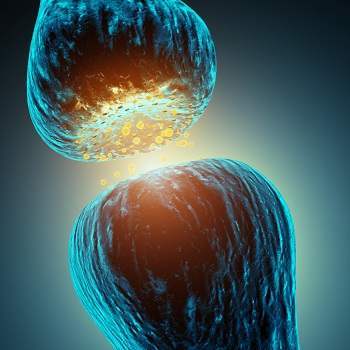


 The body has an internal clock that synchronizes with night and day by using chemicals in the brain to release a hormone causing sleepiness or causing the body to wake. The body processes are timed using the twenty-four hour physiological clock. The bodily processes that are timed include hear rate, blood pressure, brain states, and hormones like melatonin which causes the body to want to sleep.
 Direction traveled has different effects on the body.
 1) Concentration may be clouded, confusion may show itself more than usual.


 Divers frequently travel to distant locations for diving and can be affected with jet lag for most of their travel. It also can affect the ability to safely dive; therefore they should know how to reduce the effects of jet lag.
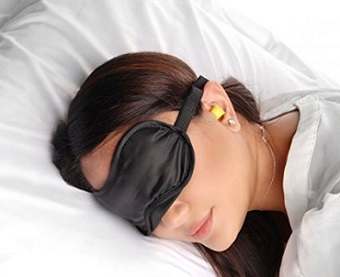 When it gets dark, your pineal gland located in your brain begins to secrete melatonin; also called the Dark Hormone. Melatonin aids the body in falling and staying asleep but it does not have the ability to do this by itself. If you are going to sleep well during flight you should avoid drinking